
Rumba Flamenca – The Mediterranean Soul
Discover how Rumba Flamenca, one of Spain’s most joyful musical traditions, became the soundtrack of Mediterranean life.
Michal Wykowski
6/1/20263 min read
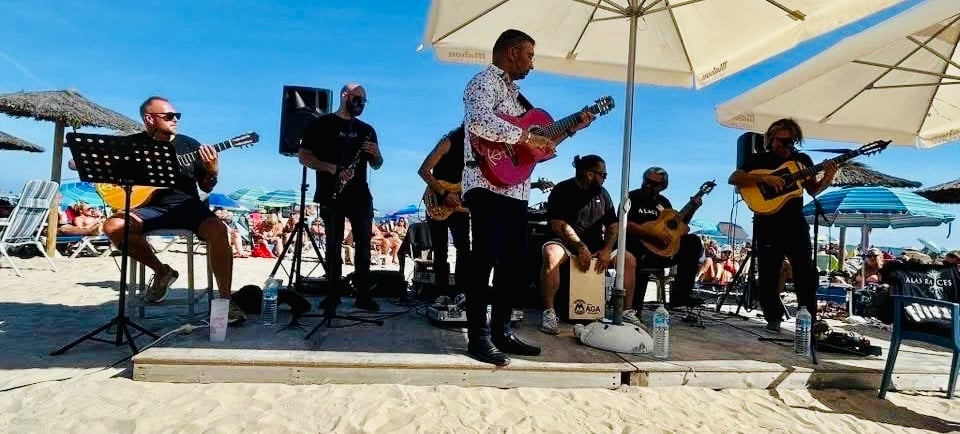
Rumba Flamenca – The Rhythm of the Mediterranean Soul
There are musical styles that belong to a stage, and there are musical styles that belong to life itself. Rumba Flamenca is firmly in the second category.
It is not just something you listen to. It is something you feel in the air during a summer evening, hear drifting from a beachfront restaurant, and recognise instantly when a group of friends starts clapping in rhythm around a table full of tapas and wine.
On the Costa Blanca, especially in places like Orihuela Costa, Cabo Roig, and Torrevieja, this sound has become part of everyday life. But its roots stretch far beyond the Mediterranean coast of Spain.
A Journey Between Continents
Rumba Flamenca was born from cultural movement and exchange. In the 19th century, maritime routes connected Spain with the Caribbean, especially Cuba. Sailors, traders, and migrants brought back new rhythms, harmonies, and musical ideas.
These influences merged with traditional Andalusian flamenco, creating something entirely new: a lighter, more rhythmic, more accessible form of flamenco that could be played not only on formal stages, but also in homes, streets, and celebrations.
This is why Rumba Flamenca is often described as part of the cantes de ida y vuelta – songs that travelled “there and back” between Spain and Latin America.
It is music shaped by movement, migration, and cultural blending.
From Andalusia to the Whole of Spain
The heart of flamenco culture has always been Andalusia, and it is here—especially in Cádiz, Seville, Málaga, and Granada—that Rumba Flamenca first found its identity.
But unlike more traditional flamenco forms, rumba quickly broke out of regional boundaries. Its rhythm was simple, its energy infectious, and its spirit universal.
By the mid-20th century, a second important centre emerged: Catalonia, and particularly Barcelona. Here, the Roma community developed what became known as Rumba Catalana, a style that brought even more rhythm and urban influence into the genre.
Artists such as Peret, often called the “King of Rumba Catalana,” helped turn this local style into a national phenomenon. Alongside him, musicians like El Pescaílla shaped the sound that would later inspire generations.
The Global Rise: Gipsy Kings and Beyond
In the 1980s and 1990s, Rumba Flamenca reached a completely new level of international recognition thanks to one iconic group: the Gipsy Kings.
With their unique blend of flamenco, rumba, pop, and Latin rhythms, they brought Spanish guitar music to audiences all over the world. Songs like Bamboléo and Djobi Djoba became global hits, introducing millions of people to a style they may not even have known by name, but instantly recognised by feeling.
At the same time, Spanish groups such as Ketama, Los Chunguitos, and Los Amaya continued to evolve the genre inside Spain, blending tradition with modern influences and urban sounds.
Together, these artists transformed Rumba Flamenca from a regional expression into a global musical language of joy, rhythm, and celebration.
A Music That Belongs to Everyday Life
What makes Rumba Flamenca truly special is not its history, but its accessibility.
This is not music reserved for formal concerts or cultural institutions. It lives in everyday moments.
A guitar on a terrace.
A group of friends after dinner.
A beach bar at sunset.
A family celebration that turns into an impromptu dance.
All it takes is rhythm, clapping hands, and people willing to share a moment together.
In many ways, Rumba Flamenca reflects the Mediterranean lifestyle itself: relaxed, social, spontaneous, and deeply connected to the present moment.
The Sound of the Costa Blanca
Today, this musical tradition is alive and well on the Costa Blanca.
The region’s international community, warm climate, and outdoor lifestyle create the perfect environment for live music and shared experiences. Rumba Flamenca fits naturally into this setting.
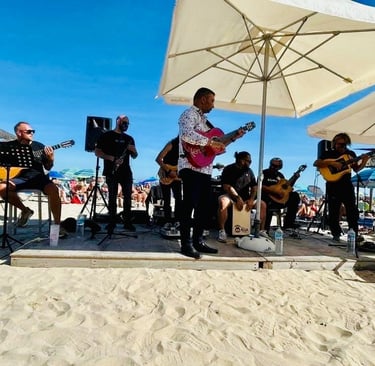
One of the groups helping keep this tradition alive locally is A Las Raíces.
Performing regularly across Orihuela Costa and surrounding areas, the band has become known for its energetic live shows and authentic interpretation of Spanish rumba. Their music draws inspiration from traditional flamenco rhythms, modern rumba styles, and the international legacy of groups like the Gipsy Kings.
What makes their performances special is not only the music itself, but the atmosphere they create. People from different countries, backgrounds, and generations come together, united by rhythm and emotion rather than language.
More Than Music – A Way of Living
For many who live on or move to the Costa Blanca, Rumba Flamenca becomes more than just background entertainment.
It becomes part of the rhythm of daily life.
It reflects the same values that attract people to this region in the first place: time spent outdoors, shared meals, social connection, and an appreciation for simple but meaningful moments.
Rumba Flamenca does not ask for attention. It invites participation.
And perhaps that is why, when you hear it on a warm evening in Orihuela Costa, it feels less like a performance and more like a natural expression of where you are.
Because in the end, Rumba Flamenca is not only a musical genre.
It is the sound of connection, celebration, and Mediterranean life itself.