
Cabo Roig: From Cliffs To Homes
Discover how Cabo Roig evolved from a rugged coastal headland into one of the most prestigious residential communities on Orihuela Costa.
Michal Wykowski
6/22/20263 min read
Cabo Roig – From Coastal Watchpoint to Elite Mediterranean Urbanisation
Cabo Roig is one of the most distinctive and prestigious areas of Orihuela Costa. Known today for its elegant villas, marina, and famous promenade, its history is closely tied to the natural geography of the coastline and the development boom that transformed Spain’s Mediterranean shore in the second half of the 20th century.
Unlike inland developments such as Villamartín, Cabo Roig grew directly from the sea outward. Its identity has always been shaped by its dramatic cliffs, strategic coastal position, and later, its transformation into a planned residential enclave for international buyers.
A Strategic Coastal Headland with History
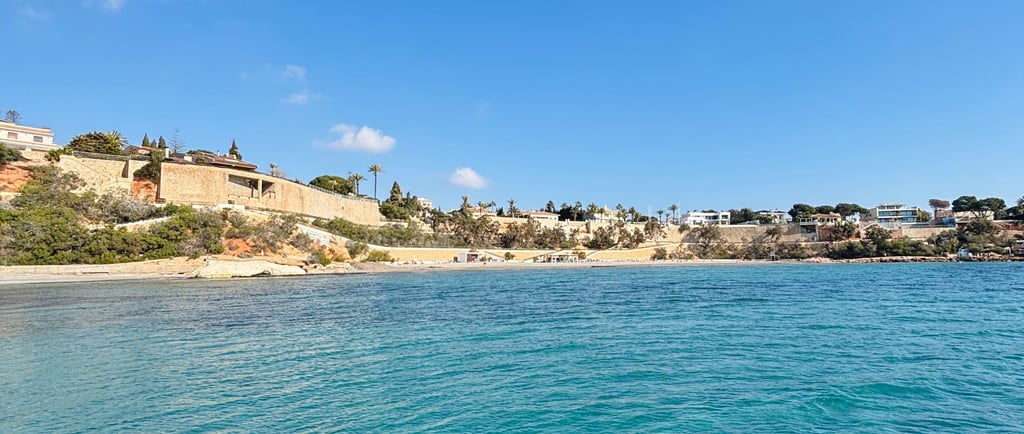
Before modern development began, Cabo Roig was a rugged and largely undeveloped coastal headland. Its name translates as “Red Cape”, referring to the reddish hue of the cliffs and soil in the area. This natural landmark made it easily recognisable from the sea and gave it strategic importance for centuries.
Like many points along the Costa Blanca, the coastline was historically used for agriculture, fishing, and occasional watchtower systems designed to protect against pirate raids that were common along the Spanish Mediterranean coast between the 16th and 18th centuries. Although Cabo Roig did not develop into a settlement at that time, its elevated position overlooking the sea made it part of this defensive coastal network.
Until the mid-20th century, Cabo Roig remained largely untouched, with only rural paths and scattered agricultural land connecting it to nearby Orihuela villages.
The Vision of Coastal Development
The transformation of Cabo Roig began in the late 1950s and early 1960s, when Spain started to open its Mediterranean coastline to international tourism and real estate development. This period marked the beginning of what would later become the Costa Blanca property boom.
Cabo Roig was one of the early examples of a planned coastal urbanisation, designed with a clear vision: low-density luxury living by the sea. Unlike traditional Spanish towns that evolved organically over centuries, Cabo Roig was carefully designed from the start as a residential resort.
Wide avenues, detached villas, landscaped gardens, and large plots were part of the original concept. The goal was to attract affluent buyers from Northern Europe seeking privacy, sunshine, and direct access to the Mediterranean lifestyle.
The Role of International Investment
From the 1970s onwards, Cabo Roig began attracting foreign buyers, particularly from the United Kingdom, Ireland, Belgium, Germany, and Scandinavia. This international interest played a crucial role in shaping the identity of the area.
Unlike inland urbanisations, Cabo Roig was positioned as a premium coastal destination, where sea views and proximity to beaches defined property value. Development was initially limited in density, which helped preserve its exclusive character compared to other rapidly expanding coastal zones.
During this period, many of the first villas were built, establishing the architectural style that still defines Cabo Roig today: whitewashed façades, private gardens, terraces, and panoramic views of the Mediterranean.
The Cabo Roig Strip – A Social Transformation
As the residential area grew, a natural commercial and social hub emerged: what is now known as the Cabo Roig Strip.
Originally a small service area for early residents and tourists, it gradually developed into one of the most vibrant entertainment zones in Orihuela Costa. Restaurants, cafés, pubs, and shops turned it into a year-round social centre.
This evolution is important: Cabo Roig did not remain a quiet villa enclave. Instead, it developed a dual identity:
a peaceful residential coastal area
a lively tourist and social destination
This balance is one of the reasons Cabo Roig has remained consistently popular for decades.
Beaches and Natural Identity
Cabo Roig is also defined by its coastline, which includes some of the most attractive small beaches in the region. The two most notable are:
Cala Capitán – a sandy beach with calm waters, ideal for families
La Caleta – a smaller cove with clear water and scenic surroundings
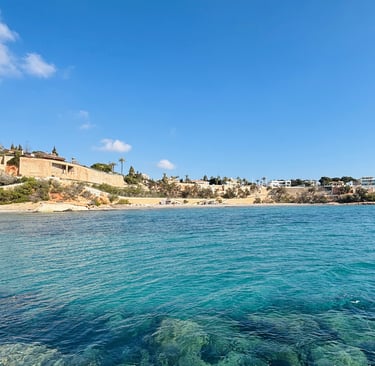
These beaches, combined with rocky cliffs and coastal walking paths, give Cabo Roig a more intimate and scenic character compared to the larger beaches of nearby urbanisations.
The coastal walkway connecting Cabo Roig to Campoamor is particularly significant today, offering one of the most beautiful promenade experiences on the southern Costa Blanca.
Cabo Roig Today
Today, Cabo Roig is considered one of the most established and desirable residential areas in Orihuela Costa. It combines long-term international residency with seasonal tourism, creating a unique year-round atmosphere.
Key characteristics include:
High-end villas and low-density housing
Strong international community
Active social and dining scene
Coastal promenade and marina access
Close proximity to golf courses like Villamartín, Las Ramblas, and Campoamor
Unlike newer developments, Cabo Roig has matured over decades, giving it a sense of stability and permanence that appeals strongly to both residents and investors.
A Coastal Identity Built Over Time
Cabo Roig is a clear example of how the Costa Blanca evolved during the second half of the 20th century. It was not built around agriculture or industry, but around the idea of Mediterranean coastal living.
From a quiet rocky cape to one of the most recognisable names in Orihuela Costa, its transformation reflects a broader story of international migration, tourism development, and lifestyle-driven real estate.
Today, Cabo Roig stands as a symbol of that transformation: a place where nature, architecture, and international living have come together to create one of the most desirable coastal communities in southern Spain.